The Animated Origins of a Legacy in Piano Craftsmanship
For nearly a century, Kawai has been at the forefront of piano craftsmanship, blending traditional artisan skills with pioneering technological innovations. But every great global enterprise begins with a single spark of inspiration.
To celebrate our rich heritage, we are proud to present a new animated short film charting the remarkable life of our founder, Koichi Kawai. Through beautiful animation and an original, evocative score, the video invites viewers to step back in time and witness the origins of Kawai Musical Instruments.
For those who may be unfamiliar with the intricate history of Japan’s piano industry, we have prepared this guide to accompany the film, exploring the historical significance behind the animation's most poignant scenes.
Contents
A Spark of Wonder
Discovering the Art of Instrument Making (1897)
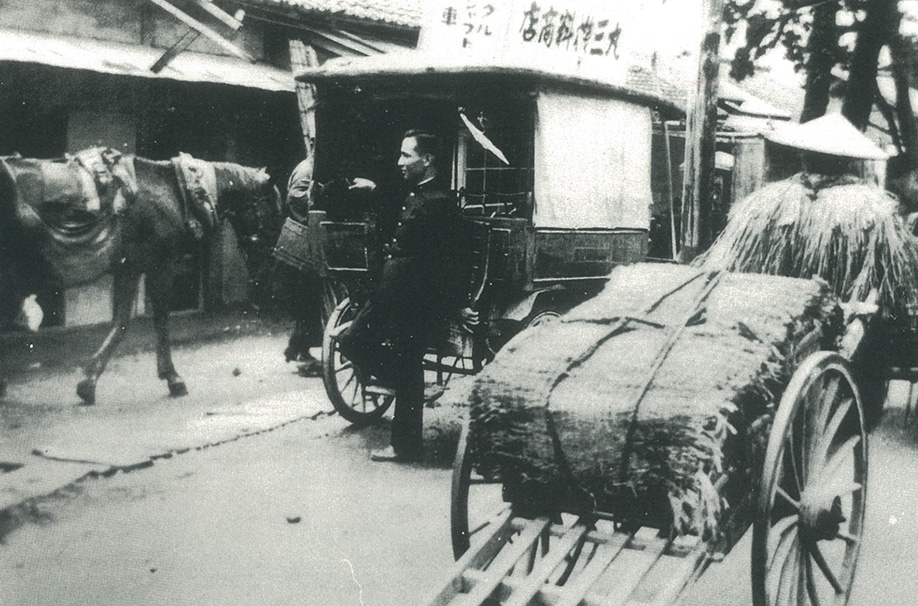
Hamamatsu streetscape in the late 19th century
The story begins in Hamamatsu, Japan, just before the turn of the 20th century. Hamamatsu is now globally recognised as the "City of Music," but in 1897, this legacy was only just beginning to take root.
The animation introduces us to a young Koichi Kawai, a boy with an extraordinary innate talent for mechanics and invention. The pivotal moment occurs when he is introduced to an early keyboard instrument – a reed organ. The look of sheer amazement on the young boy’s face captures the exact moment a lifelong passion was ignited. It was here that Koichi realised his calling: not just to build machines, but to craft instruments that could sing.
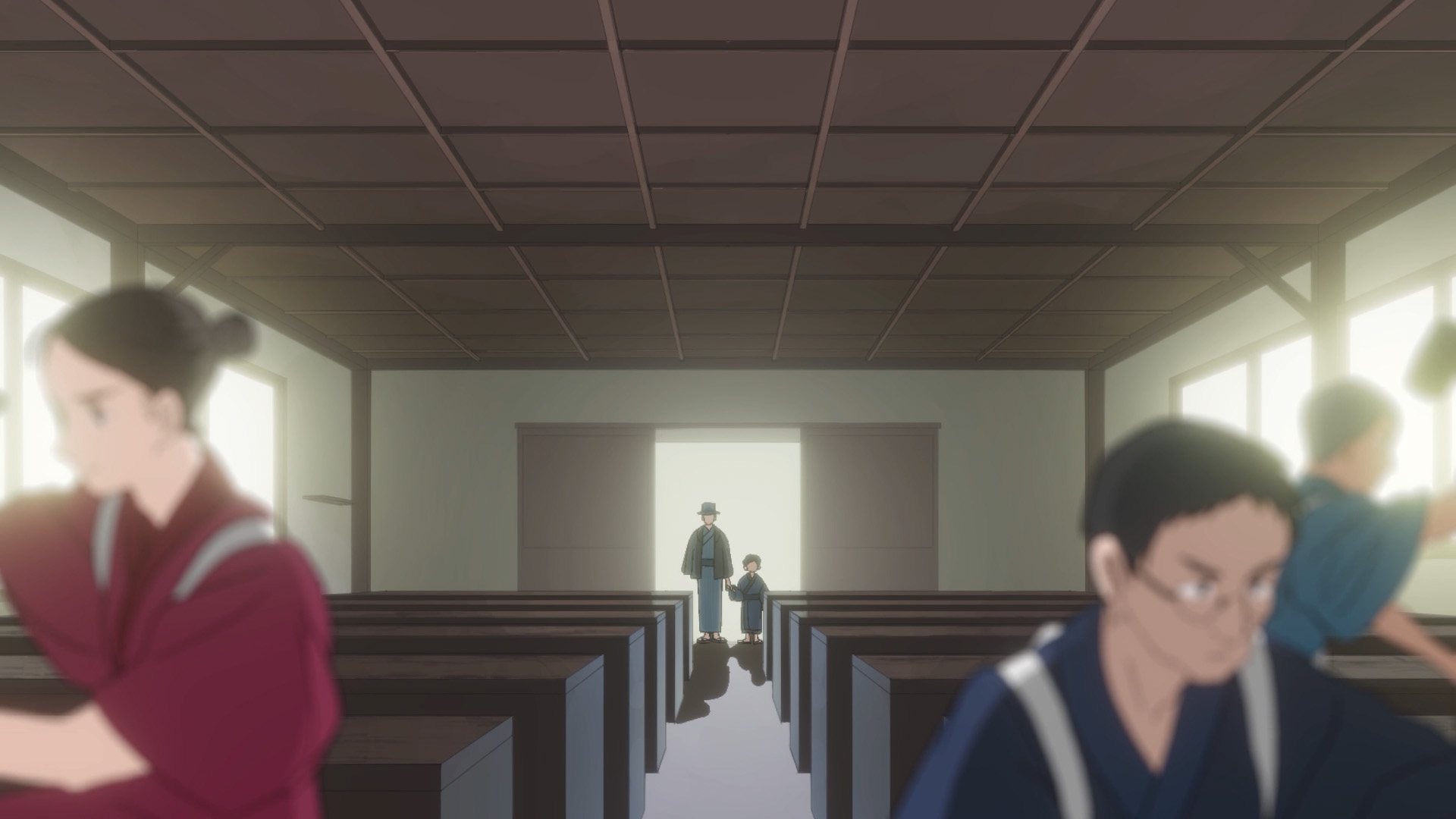
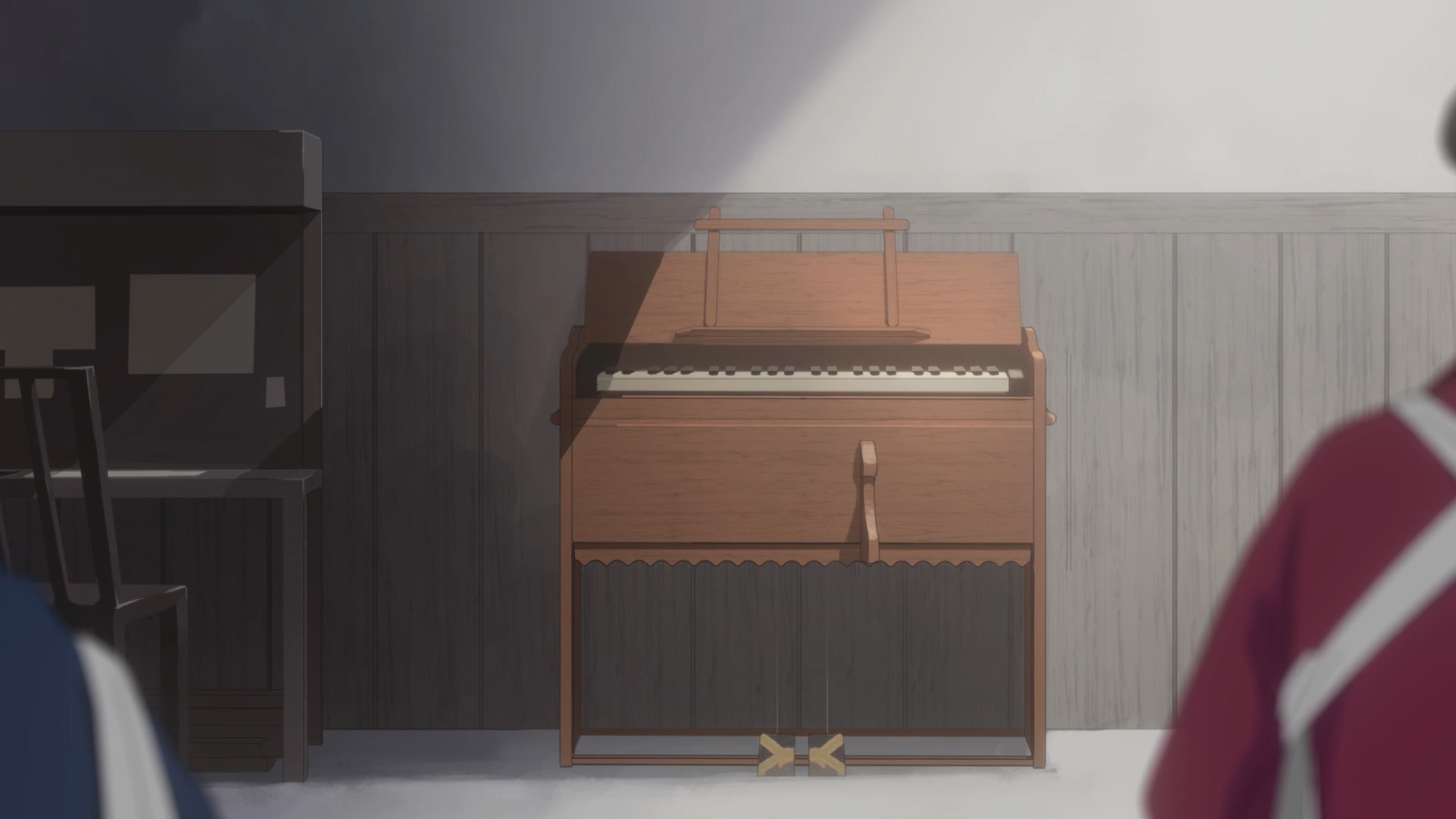
Young Koichi meets the reed organ (from anime)
The Pursuit of Perfection
The First Japanese-Made Piano Action (1907)
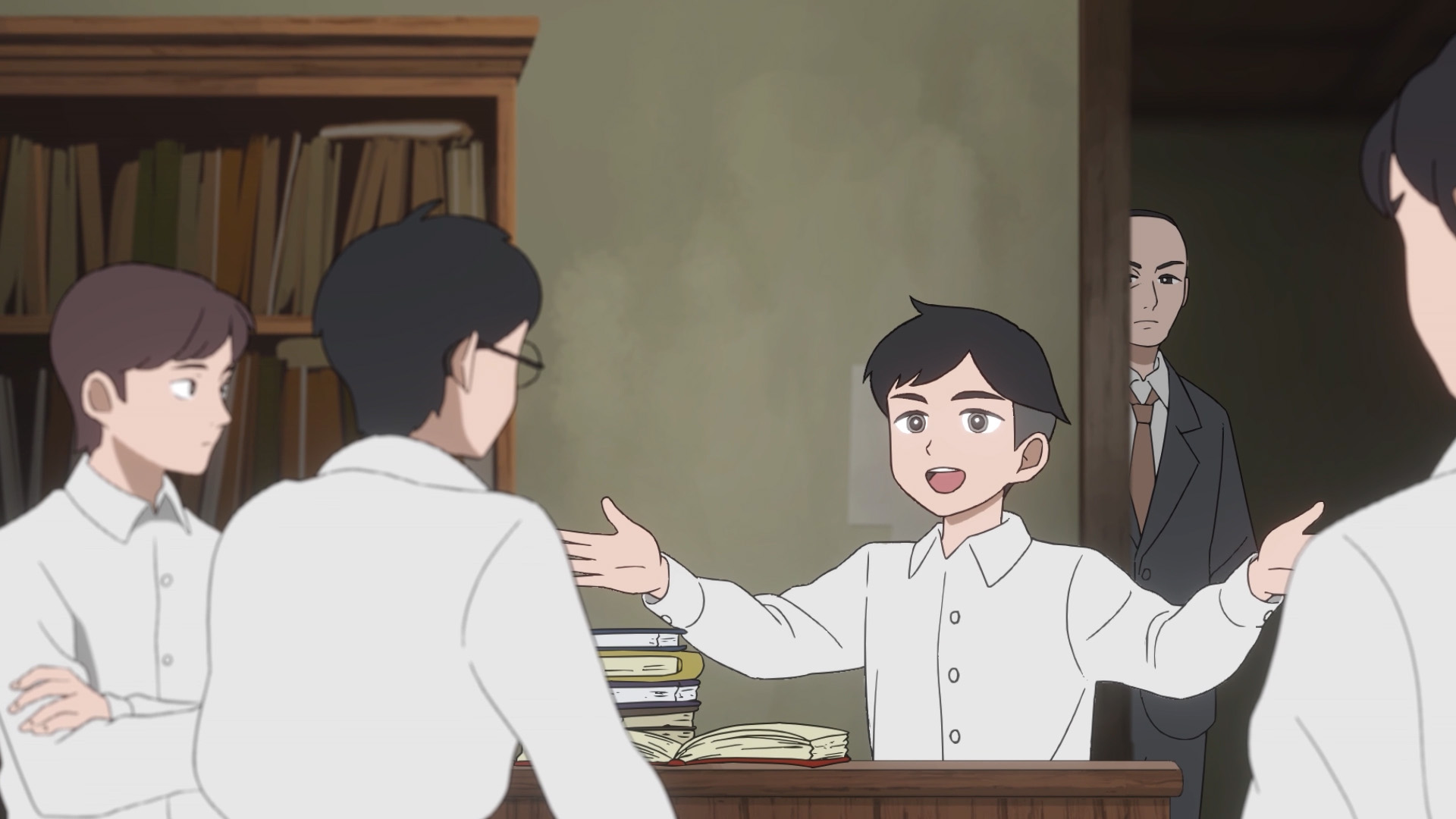
Young Koichi presenting his idea (from anime)
As Koichi grew, so too did his unparalleled skill. He became a central figure in the research and development of early Japanese pianos. In the early 1900s, Japan was heavily reliant on imported parts to construct Western musical instruments.
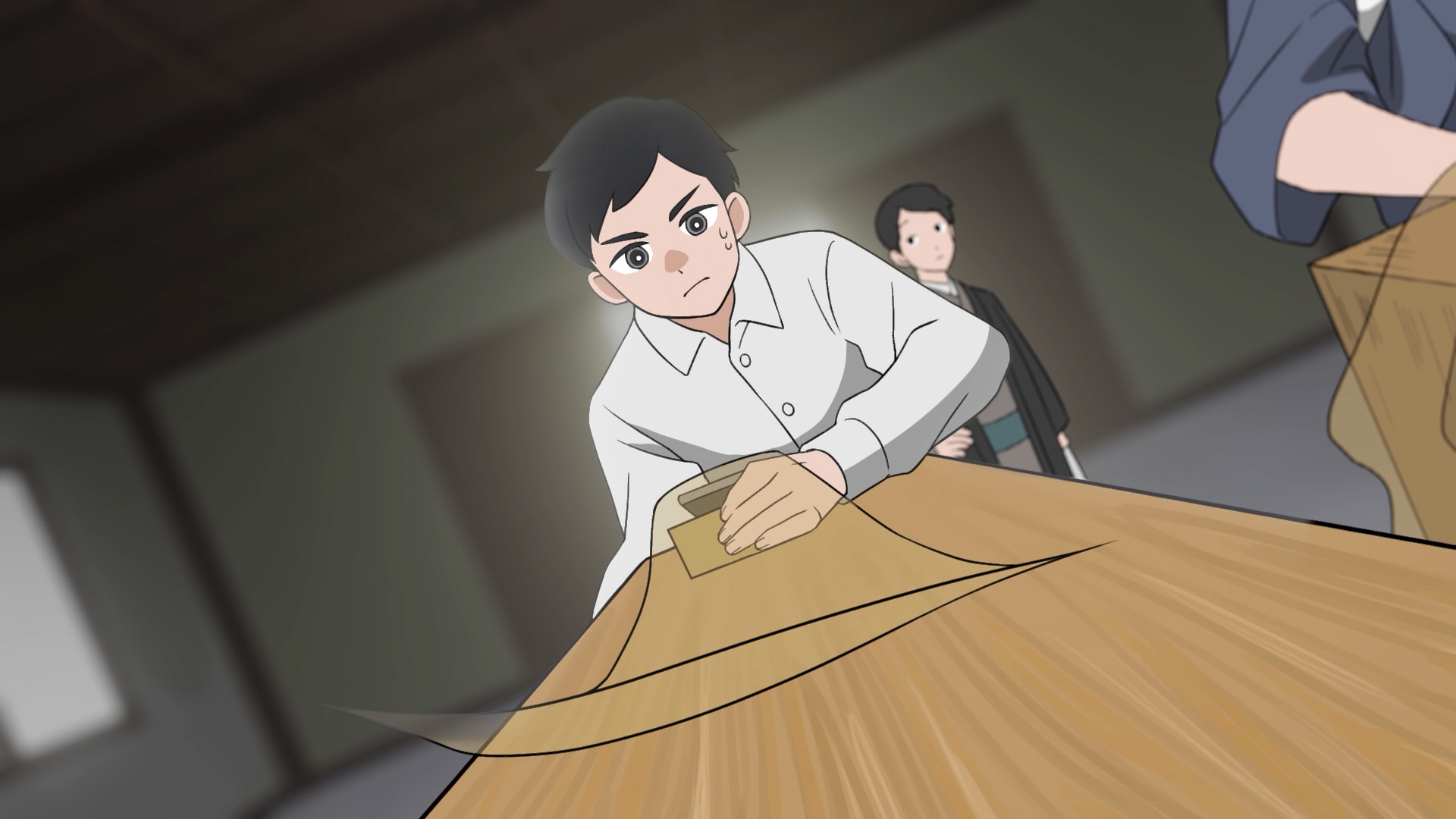
Yound Koichi sanding the wood (from anime)
The video highlights a monumental milestone in 1907: Koichi’s successful completion of the first entirely Japanese-made piano action. The scenes of him meticulously sanding wood, drafting blueprints, and collaborating with his peers beautifully illustrate the tireless dedication and collaborative spirit that allowed him to overcome immense technical hurdles. He was not just an inventor; he was a pioneer pushing the boundaries of what domestic craftsmanship could achieve.
Forging a New Path
The Birth of Kawai (1927)
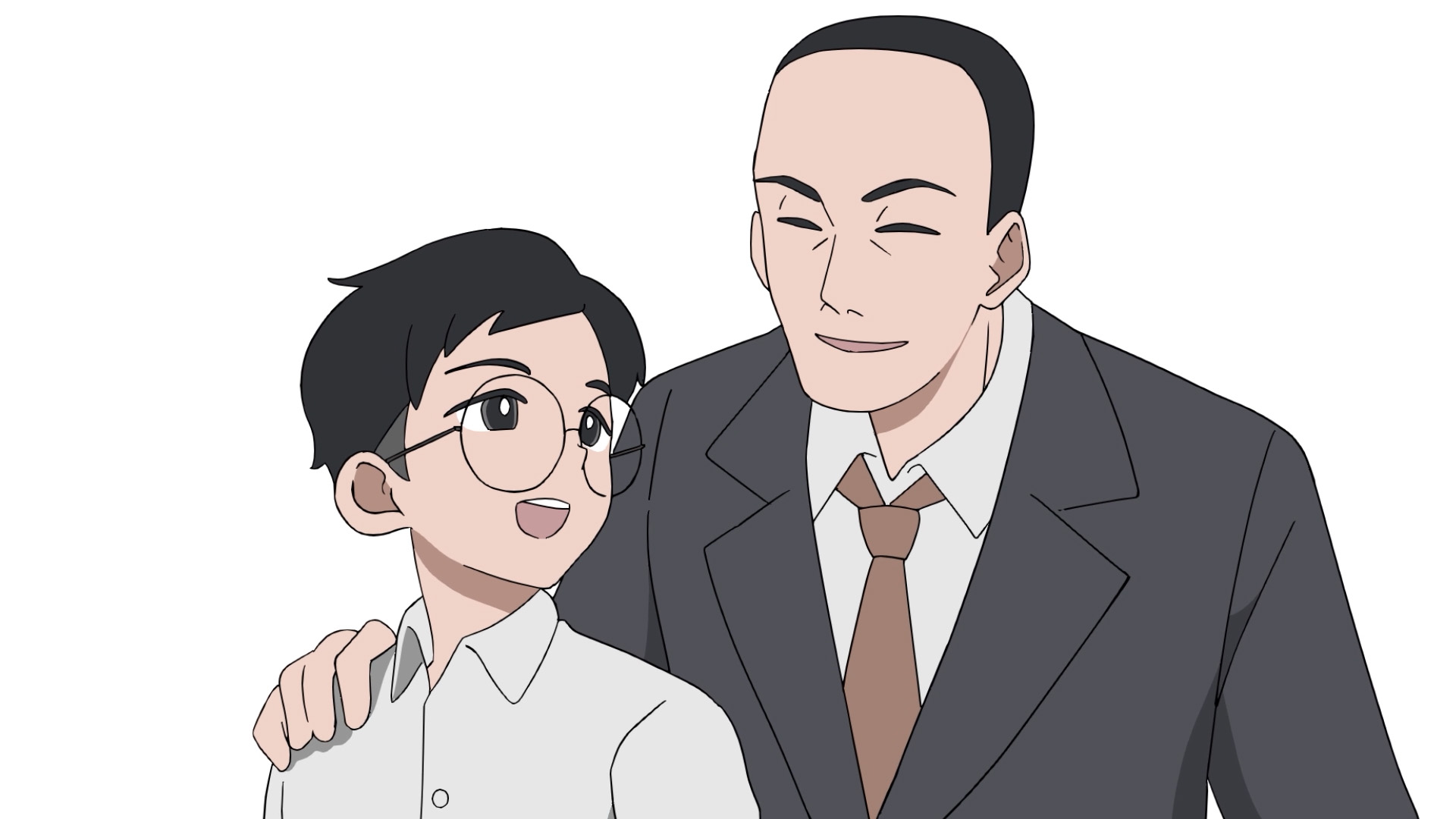
Young Koichi and his mentor (from anime)
The animation takes a solemn turn as an older Koichi stands silently before a grave. This poignant moment signifies the passing of his employer and mentor, a great loss that would ultimately serve as a major turning point in Koichi's life.
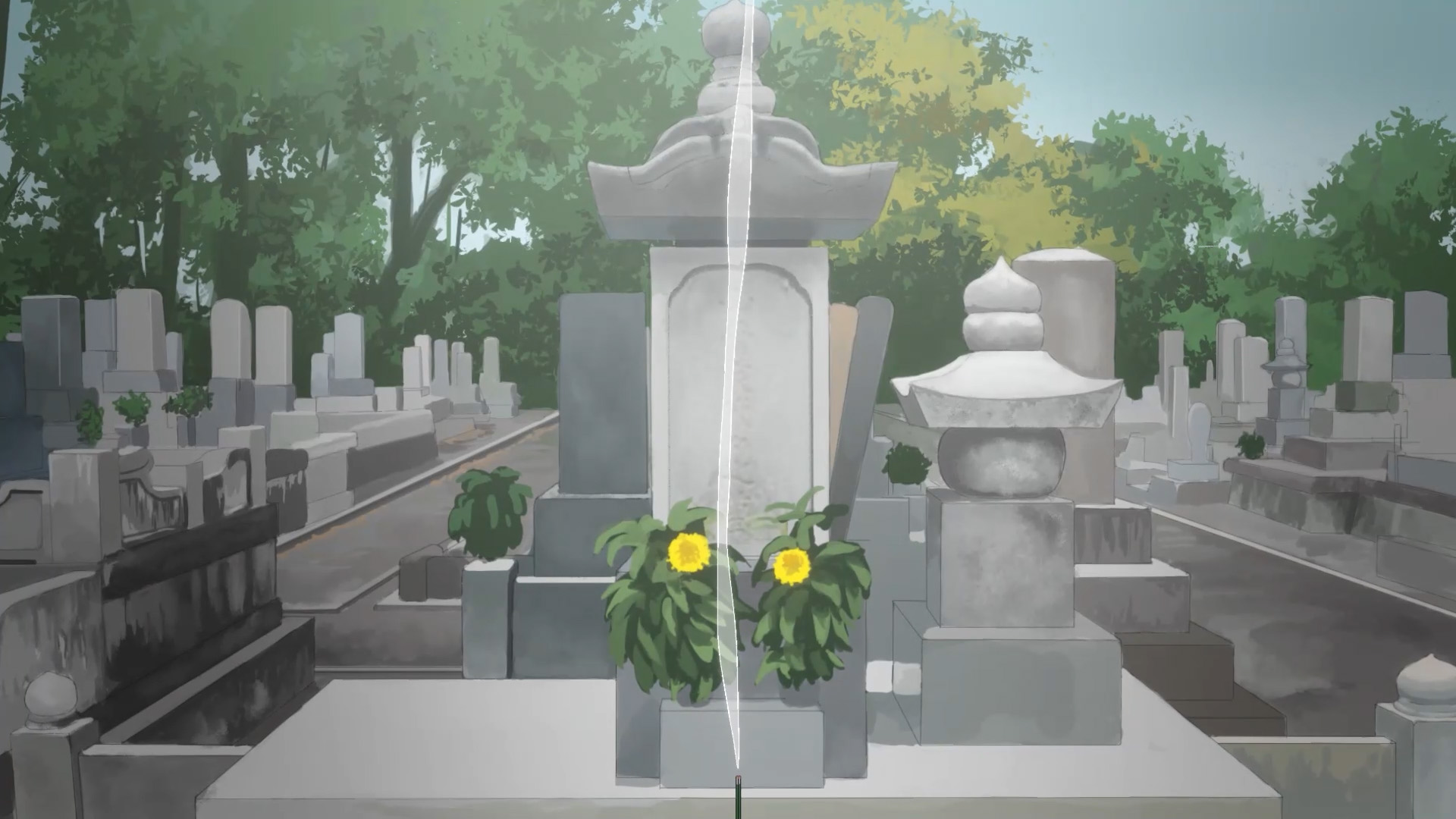

Koichi and his mentor's grave (from anime)
Driven by an unwavering desire to build the world’s finest pianos, Koichi struck out on his own. In 1927, alongside seven like-minded craftsmen, he founded the Kawai Musical Instrument Research Laboratory. The animation captures this transition brilliantly, showing Koichi stepping into his own as a leader, yet remaining intimately connected to the tactile, hands-on crafting of the instruments he so deeply loved.
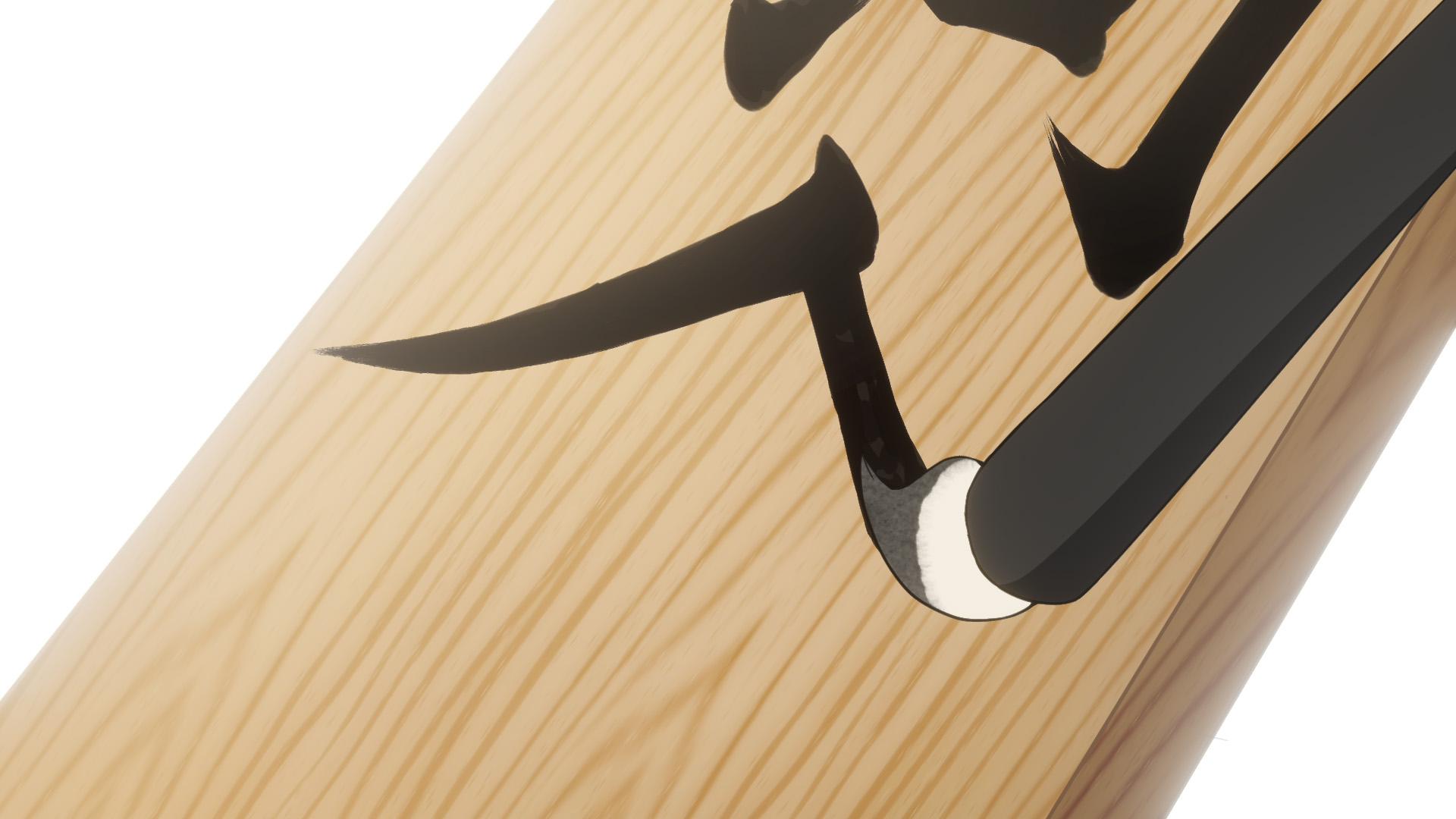
Kawai Musical Instrument Research Laboratory sign (from anime)
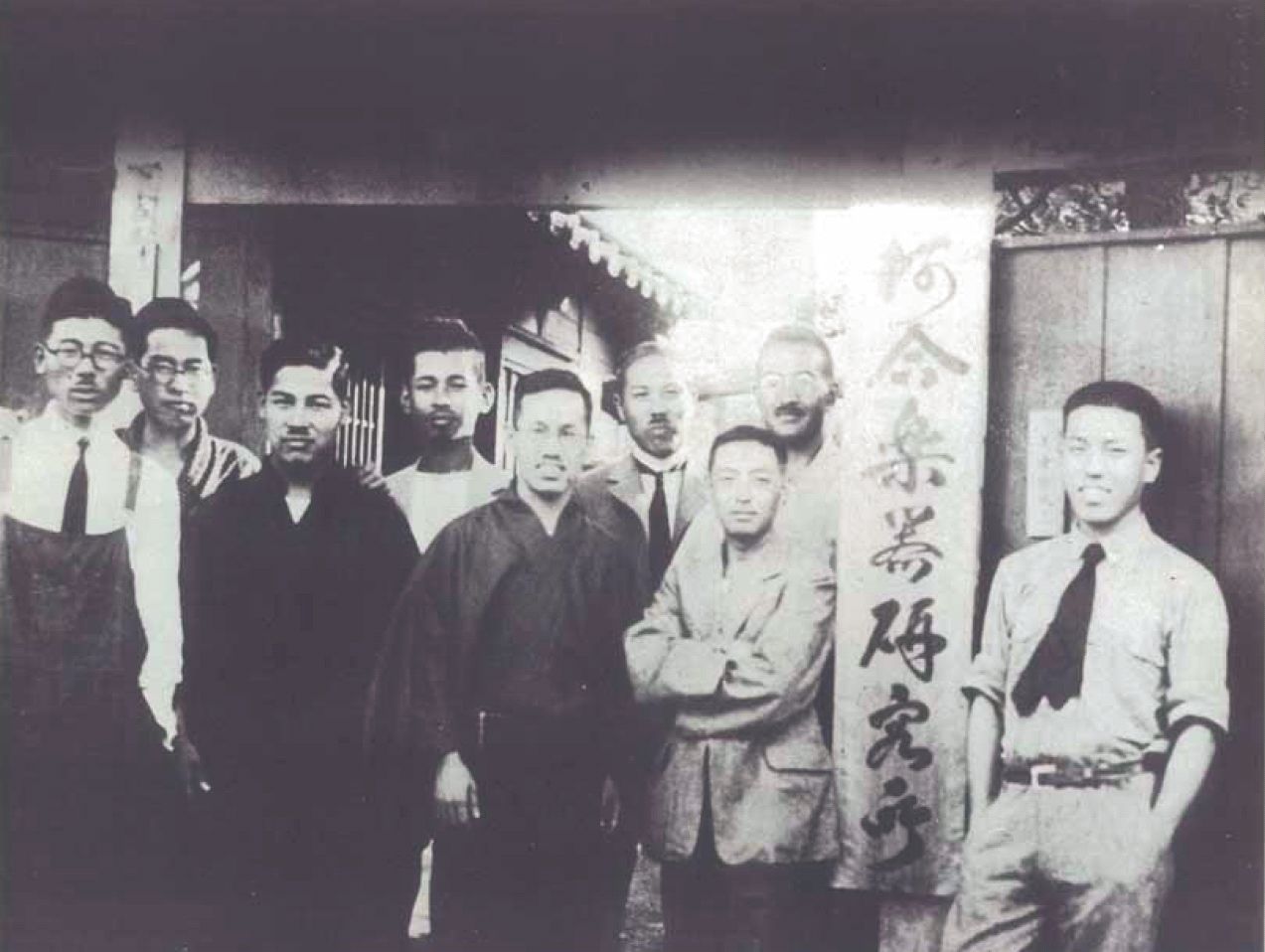
Kawai's founders in 1927
Recognition and Legacy
Passing the Spirit to the Next Generation
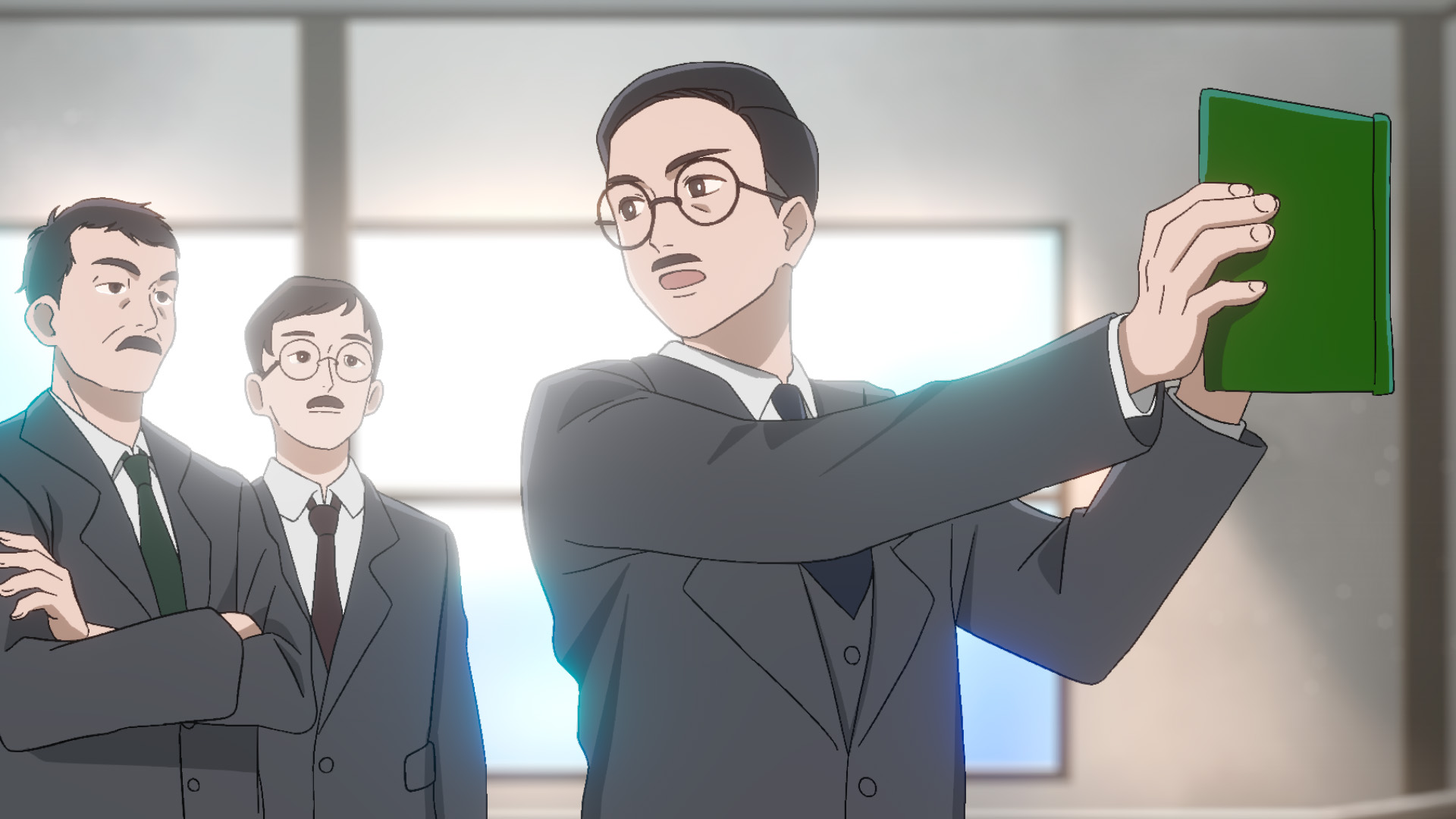
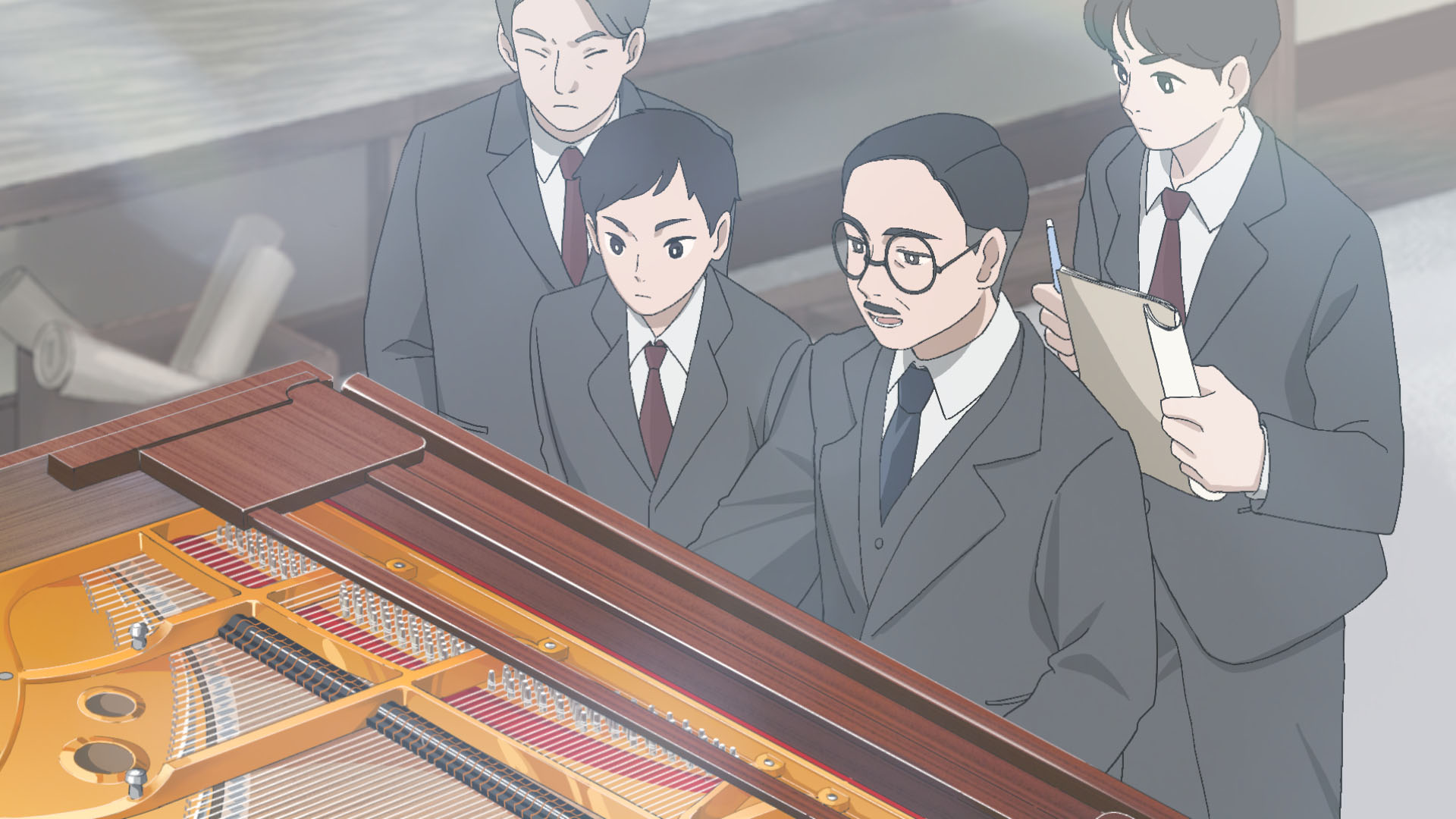
Koichi discussing with his colleagues (from anime)
Koichi’s relentless pursuit of excellence did not go unnoticed. In 1953, the Japanese government awarded him the prestigious Medal with Blue Ribbon – making him the very first person in the musical instrument industry to receive such an honour.
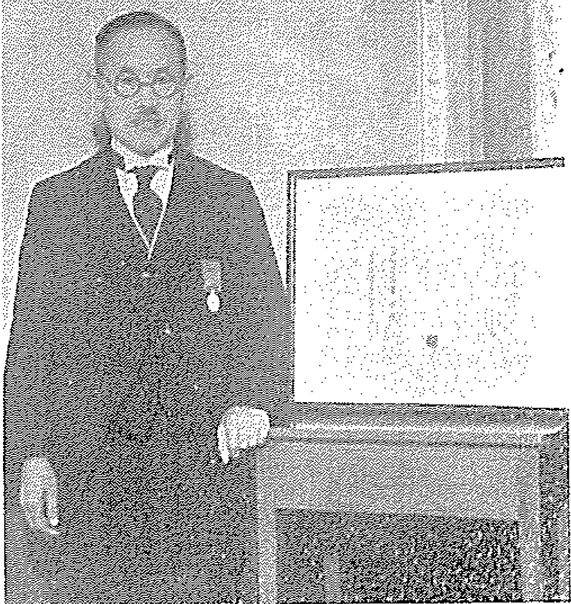
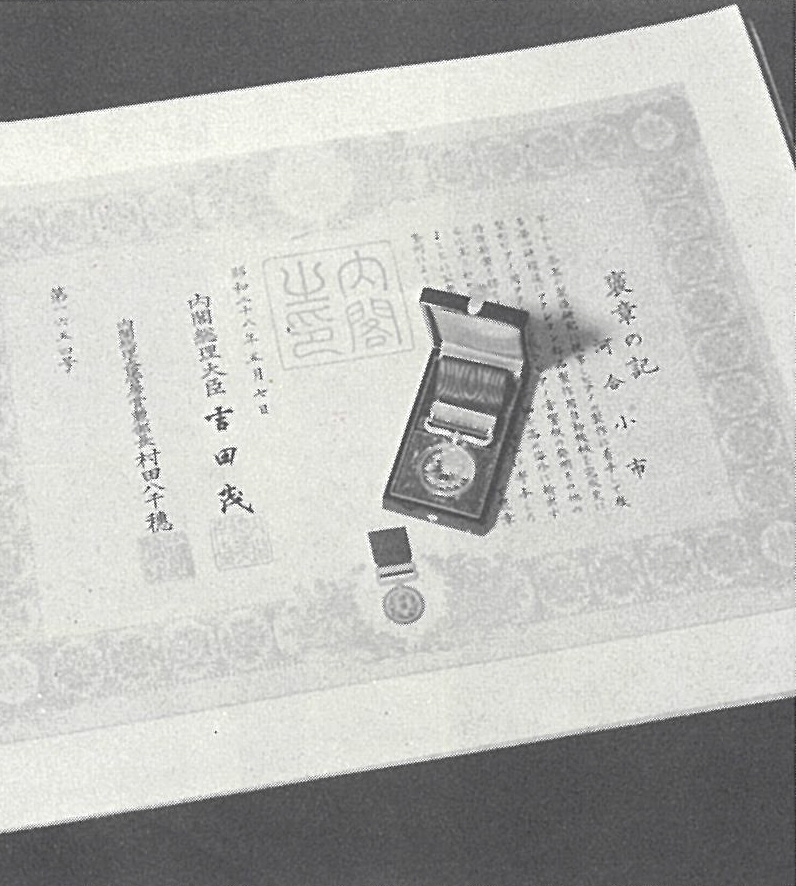
Koichi received the Medal with Blue Ribbon
As the video draws to a close, we see Koichi at the piano, before the visual beautifully transitions to a younger man in a modern suit: the second president, Shigeru Kawai. Taking the reins of the company in 1955, Shigeru would go on to modernise Kawai’s manufacturing facilities and introduce the brand to the world. The clenched fist and confident smile of the young Shigeru symbolise the passing of the torch, ensuring that Koichi's spirit of innovation would echo through generations to come.
The Spirit of Craftsmanship, Carried in Sound
An Original Score Inspired by Koichi Kawai’s Legacy
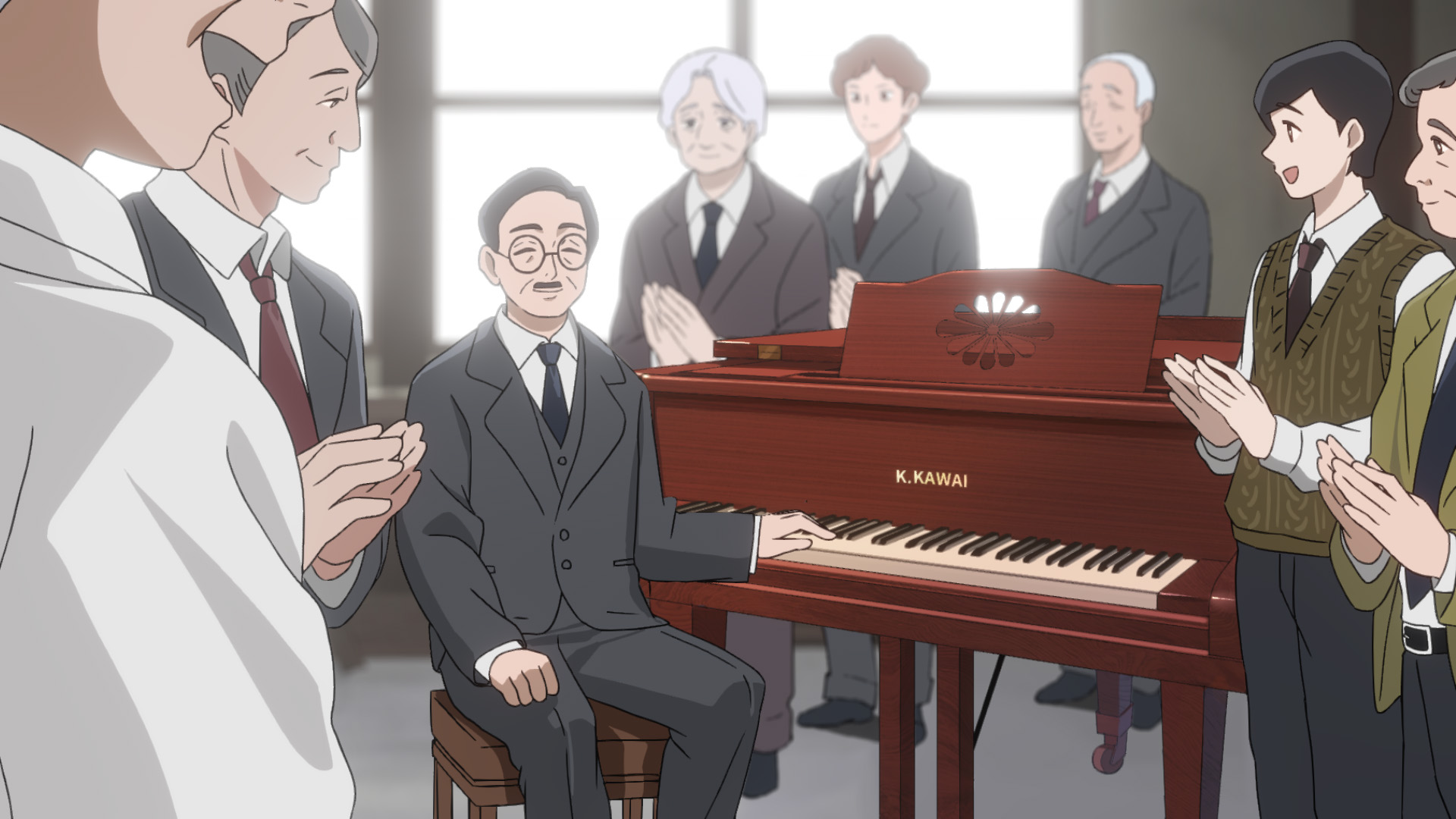
Koichi receiving applause at the grand piano
The music that accompanies this film is, like the story itself, deeply rooted in Kawai’s history. The original score was created by a young Kawai staff member, who carefully explored how best to express the spirit of founder Koichi Kawai through sound as well as image.
At the heart of the composition lies a cherished story that has been passed down through generations. It is said that Koichi personally carried out the final inspection of completed pianos. His standards were exacting, and the technicians in the factory would wait in silence, holding their breath as he made his judgment.
When he was fully satisfied, Koichi would sit at the instrument and play a phrase from “Echigo Jishi,” a melody he was particularly fond of. The moment that familiar phrase echoed through the factory, the technicians could finally breathe a sigh of relief.
This image – of a single melody signalling that a piano had met Koichi’s uncompromising standards – remains a powerful symbol of Kawai’s enduring commitment to craftsmanship.
Drawing inspiration from this story, the score for the film is built as an homage to Echigo Jishi, with the motif serving as the unifying musical theme throughout the work. As the story unfolds, the theme returns in increasingly expressive variations, deepening its emotional resonance. The quoted musical idea is inspired by the Echigo Jishi passage in Act I, Scene 1 of Puccini’s Madama Butterfly – the moment in which Cio-Cio-San recounts how she became a geisha. Because this passage allows both the vocal line and piano accompaniment to stand musically on their own, it offered a compelling way to imagine what Koichi himself may once have played.
Across the entire work, the music was shaped to evoke Koichi’s sincerity, quiet determination, and unwavering passion for piano making, resulting in a score of warmth and gentle humanity. For the piano sound itself, the production uses “PIANO PREMIER ‘KAWAI LEGEND,’” a software instrument sampled from the SK-EX concert grand.
Through the voice of Kawai’s finest piano, the score carefully reimagines the sound of the very note to which our founder once listened so intently.
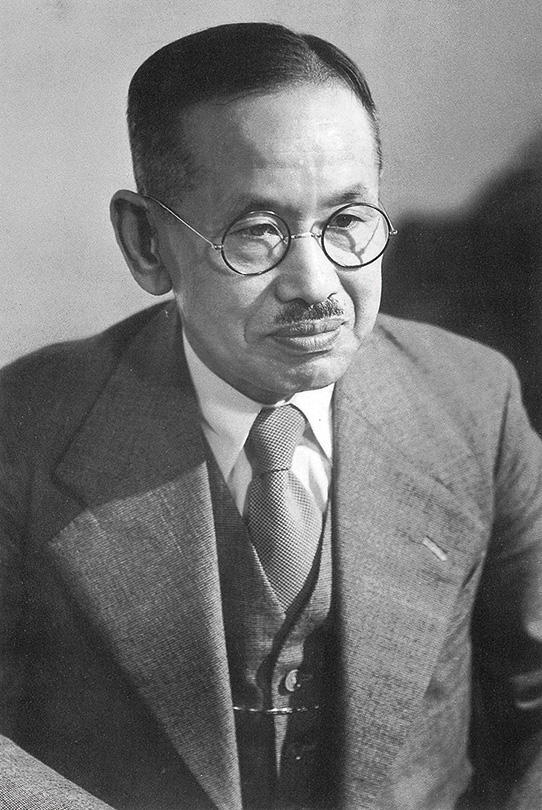
Koichi Kawai
Watch the Full Animated Story
Experience the complete animated journey of Koichi Kawai and discover the origins of a legacy that continues to inspire pianists around the world.

Writer
Kawai Japan